
Diabetes Type 1 Testing and Diagnosis in Little Rock, AR
Type 1 diabetes testing and diagnosis involve evaluating blood glucose levels, A1C results, and specialized tests such as diabetes-related autoantibodies and C-peptide to identify insulin deficiency. Early and accurate diagnosis is essential for timely treatment, effective blood sugar management, and reducing the risk of complications. Consult Dr. James Thrasher, MD, FACE, at Arkansas Diabetes and Endocrinology Center for a comprehensive diabetes evaluation and personalized guidance from our team. For more information, contact us or request an appointment online. We are conveniently located at 11400 Huron Lane, Little Rock, AR 72211.
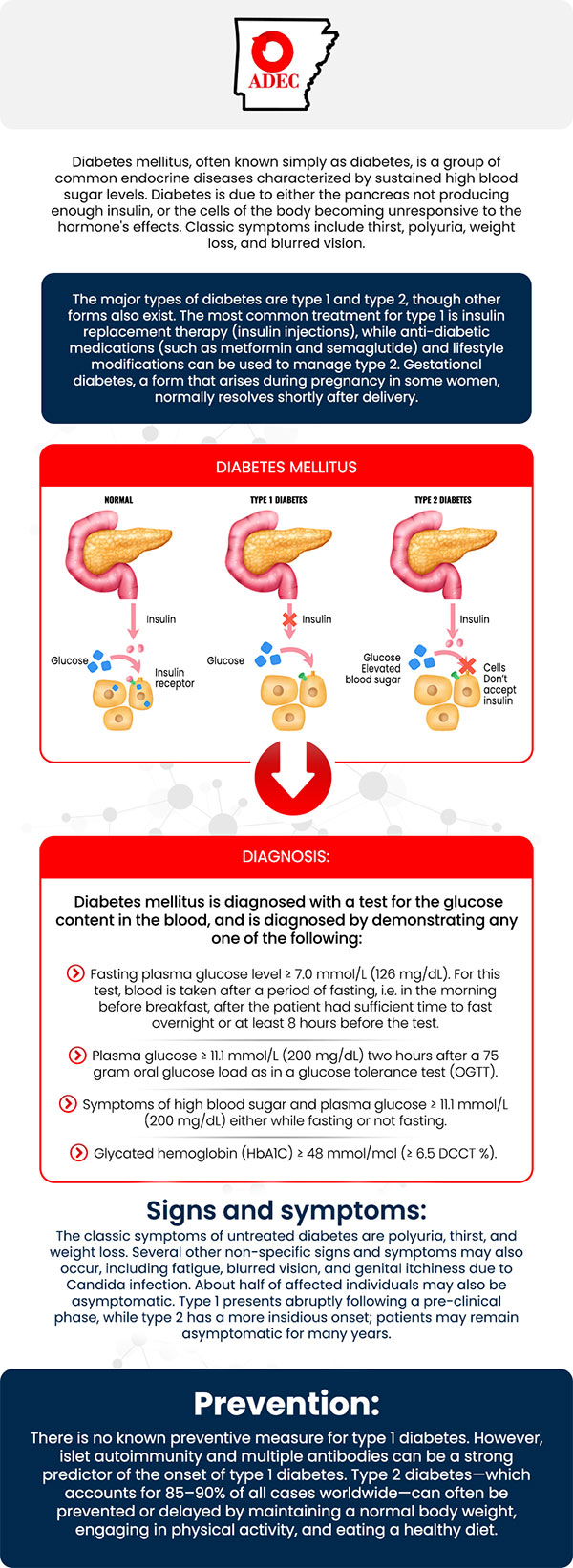
Table of Contents:
How is Type 1 Diabetes diagnosed?
Who should get tested for Type 1 Diabetes?
Can adults be diagnosed with Type 1 Diabetes?
What happens after I am diagnosed with Type 1 Diabetes?
Why should I choose Arkansas Diabetes and Endocrinology Center for my diagnosis?
An accurate diagnosis is the first step toward managing type 1 diabetes. At Arkansas Diabetes and Endocrinology Center, evaluating diabetes involves understanding blood sugar results, symptoms, and medical history to help determine the type of diabetes and guide treatment.
Type 1 diabetes occurs when the immune system attacks the insulin-producing cells in the pancreas.
Blood Tests Used to Diagnose Diabetes
Your healthcare provider may use one or more of the following tests:
● Random plasma glucose test: Measures blood sugar at any time of day. A result of 200 mg/dL (11.1 mmol/L) or higher, together with classic symptoms such as increased thirst, frequent urination, or unexplained weight loss, can establish a diagnosis of diabetes.
● Fasting plasma glucose test: Measures blood sugar after at least eight hours without food or calorie-containing drinks. A result of 126 mg/dL (7.0 mmol/L) or higher is in the diabetes range.
● A1C test: Estimates average blood sugar over the previous two to three months. An A1C of 6.5% or higher is in the diabetes range. However, A1C may not reflect rapidly developing type 1 diabetes, and certain blood conditions can affect its accuracy. A lower A1C does not rule out type 1 diabetes.
● Oral glucose tolerance test: Measures blood sugar before and two hours after a glucose drink. A two-hour result of 200 mg/dL (11.1 mmol/L) or higher indicates diabetes. This test is usually unnecessary when symptoms and high blood sugar clearly establish the diagnosis.
Unless there are classic symptoms with clearly elevated blood sugar or a hyperglycemic crisis, an abnormal result generally requires confirmation with a second abnormal test.
Determining Whether It Is Type 1 Diabetes
High blood sugar alone cannot confirm type 1 diabetes. Your healthcare provider may recommend:
● Islet autoantibody tests: Detect markers of an autoimmune response against insulin-producing cells. Negative results do not completely rule out type 1 diabetes.
● C-peptide testing: Measures how much insulin your body produces, helping distinguish between diabetes types.
Your symptoms, medical history, and test results also help determine the diagnosis. Type 1 diabetes can develop at any age.
When to Seek Urgent Medical Care
Type 1 diabetes can cause diabetic ketoacidosis (DKA), a potentially life-threatening complication. Seek emergency care for vomiting, abdominal pain, rapid breathing, fruity-smelling breath, confusion, or severe drowsiness.
If you experience excessive thirst, frequent urination, or unexplained weight loss, seek prompt medical evaluation. Suspected type 1 diabetes requires timely assessment, and necessary insulin treatment should not be delayed for test results.
Type 1 diabetes can develop at any age—not just during childhood. For individuals and families in Arkansas, knowing when to seek testing can help prevent serious complications. Arkansas Diabetes and Endocrinology Center encourages people with symptoms or concerns about their risk to discuss appropriate evaluation with a healthcare professional.
People with symptoms of diabetes
Increased thirst, frequent urination, unexplained weight loss, unusual hunger, fatigue, and blurred vision all warrant prompt medical evaluation.
A clinician can check blood glucose and may use an A1C test to assess average blood sugar levels. If type 1 diabetes is suspected, do not wait for a fasting appointment or an A1C result before seeking care.
People with a family history or other increased risk
If you have a parent, sibling, or child with type 1 diabetes, ask your healthcare professional whether screening is appropriate—even if you feel well. People with a known genetic risk may also benefit from screening.
If you have another autoimmune condition, such as celiac disease or autoimmune thyroid disease, your personal and family history can help guide a discussion about testing.
Screening generally involves blood tests for islet autoantibodies, which may identify an immune attack on insulin-producing cells before symptoms appear. Positive results require clinical interpretation, possible confirmation, and follow-up monitoring.
People without symptoms or a family history
Most people who develop type 1 diabetes do not have a close relative with the condition. Some healthcare systems and research programs offer broader screening, particularly for children, but availability and recommendations vary.
Ask your primary care clinician about screening options available in Arkansas and whether an endocrinology referral may be appropriate.
When testing is an emergency
Vomiting, abdominal pain, rapid or deep breathing, fruity-smelling breath, confusion, or severe drowsiness require immediate emergency care, especially when accompanied by thirst, frequent urination, or weight loss.
These symptoms can indicate diabetic ketoacidosis, a life-threatening condition that may be the first sign of type 1 diabetes. Go to the nearest emergency department or call 911. Do not wait for an office appointment.
Yes. Type 1 diabetes can develop at any age, including adulthood. Although it was once called “juvenile diabetes,” many people are diagnosed as adults—even later in life.
For adults seeking answers about diabetes, an accurate diagnosis is an important first step. Arkansas Diabetes and Endocrinology Center can be a resource for discussing symptoms, understanding a diabetes diagnosis, and exploring ongoing management.
What does type 1 diabetes look like in adults?
Common symptoms include:
● Increased thirst and frequent urination
● Unexplained weight loss
● Fatigue
● Blurred vision
● Recurrent infections
Symptoms may develop quickly or progress gradually over months or longer.
Slowly progressing autoimmune diabetes in adults is often called latent autoimmune diabetes in adults (LADA). People with LADA may initially produce enough insulin to manage without insulin injections, which can lead to an initial diagnosis of type 2 diabetes. Over time, however, insulin production generally declines, and insulin treatment becomes necessary.
How is adult-onset type 1 diabetes diagnosed?
Blood glucose testing and an A1C test can establish whether someone has diabetes, but they do not always identify the type. When autoimmune diabetes is suspected, an endocrinology evaluation may include:
● Diabetes-related autoantibody tests, such as GAD, IA-2, or ZnT8 antibodies.
● A C-peptide test to help assess how much insulin the body is producing.
● A review of symptoms, medical history, glucose levels, and response to treatment.
No single finding determines the diagnosis in every case. Age or body size alone cannot rule out type 1 diabetes.
If you have been diagnosed with type 2 diabetes but your blood sugar is worsening despite treatment, ask your clinician whether testing for autoimmune diabetes is appropriate. This is also an important concern to bring to an appointment at Arkansas Diabetes and Endocrinology Center.
A Type 1 diabetes diagnosis requires lifelong management, but with proper treatment and support, you can maintain an active, healthy life. At Arkansas Diabetes and Endocrinology Center, our team helps patients understand their condition and develop personalized diabetes management plans.
Your immediate health needs come first
After diagnosis, your healthcare provider will assess blood glucose, hydration, and ketone levels. If diabetic ketoacidosis (DKA) is present, immediate hospital treatment is necessary. Otherwise, treatment may begin outside the hospital with appropriate medical supervision.
You will start insulin treatment
Type 1 diabetes occurs when the immune system attacks insulin-producing cells in the pancreas. Insulin treatment is essential for survival and typically begins immediately. Treatment options include:
● Insulin injections: Multiple daily doses to manage blood sugar.
● Insulin pumps: Devices that deliver insulin throughout the day.
Your healthcare team will help determine the most appropriate approach.
You will learn how to monitor your glucose
Regular glucose monitoring helps maintain blood sugar within an individualized target range. Continuous glucose monitors (CGMs) and blood glucose meters provide readings that guide insulin adjustments and daily management decisions.
You will build everyday diabetes management skills
Managing Type 1 diabetes involves learning essential daily habits, including:
● Administering insulin correctly.
● Monitoring carbohydrate intake.
● Adjusting for exercise and physical activity.
● Managing diabetes during illness or travel.
● Recognizing blood sugar changes.
Diabetes education helps patients develop confidence in managing their condition.
You will learn how to handle urgent problems
Low blood sugar may cause sweating, shakiness, dizziness, or confusion. Your healthcare team will explain how to treat it and use emergency glucagon when necessary.
Vomiting, abdominal pain, rapid breathing, or severe drowsiness may indicate diabetic ketoacidosis (DKA) and require emergency medical attention.
Your insulin needs may change
Some patients experience a temporary honeymoon phase, during which their pancreas continues producing small amounts of insulin. Insulin requirements may decrease, but treatment must continue as directed by your healthcare provider.
Follow-up care will help you move forward
Regular follow-up appointments help evaluate glucose patterns, adjust insulin doses, monitor HbA1c, and screen for potential complications.
At Arkansas Diabetes and Endocrinology Center, our team provides ongoing guidance, diabetes education, and individualized care to support effective long-term Type 1 diabetes management.
When symptoms suggest diabetes or a hormonal condition, a focused evaluation can help you understand what’s causing them. Arkansas Diabetes and Endocrinology Center offers a specialty setting for evaluating these concerns. Dr. James Thrasher, MD, FACE, brings an endocrinology perspective to the diagnostic process.
Diagnosing an endocrine condition involves more than reviewing a single lab result. An evaluation typically considers your symptoms, medical history, medications, physical examination, and relevant test results together. Depending on your concerns, testing may assess blood sugar regulation, thyroid function, or other hormone-related issues. This approach helps distinguish between conditions that can cause similar symptoms and informs treatment recommendations.
Understanding your diagnosis is an important part of choosing care. Before scheduling with Arkansas Diabetes and Endocrinology Center, ask whether the practice evaluates your specific concern, which records or previous lab results to bring, and how findings and next steps will be explained. These questions can help you prepare for your appointment and determine whether the practice fits your needs.
For more information, contact us or request an appointment online. We are conveniently located at 11400 Huron Lane, Little Rock, AR 72211. In our Little Rock office we serve patients from across the state, including areas such as Little Rock AR, Conway AR, North Little Rock AR, Pine Bluff AR, Hot Springs AR, Benton AR, Sherwood AR, Russellville AR, Jacksonville AR, Cabot AR, Searcy AR, Bryant AR, Jonesboro AR, Forrest City AR, Magnolia AR, Camden AR, Malvern AR, Batesville AR, Arkadelphia AR, Clarksville AR, Monticello AR, Heber Springs AR, Morrilton AR, Stuttgart AR, Greenbrier AR, Sheridan AR, and Vilonia AR. If the commute to Little Rock is too far or difficult we can establish a visit remotely by using telemedicine.
Check Out Our 5 Star Reviews







 Send Text