
Can Hyperglycemia Cause Headaches? Treatments in Little Rock, AR
Hyperglycemia, or elevated blood sugar, can frequently trigger persistent headaches as the body struggles to manage excess glucose and experiences dehydration from increased urination. Treating these headaches requires addressing the root cause by actively lowering blood sugar through prescribed medications, proper hydration, and careful dietary adjustments. For a personalized treatment plan and management of your symptoms, consult Dr. James Thrasher, MD, FACE. For more information, contact us or request an appointment online. We are conveniently located at 11400 Huron Lane, Little Rock, AR 72211.
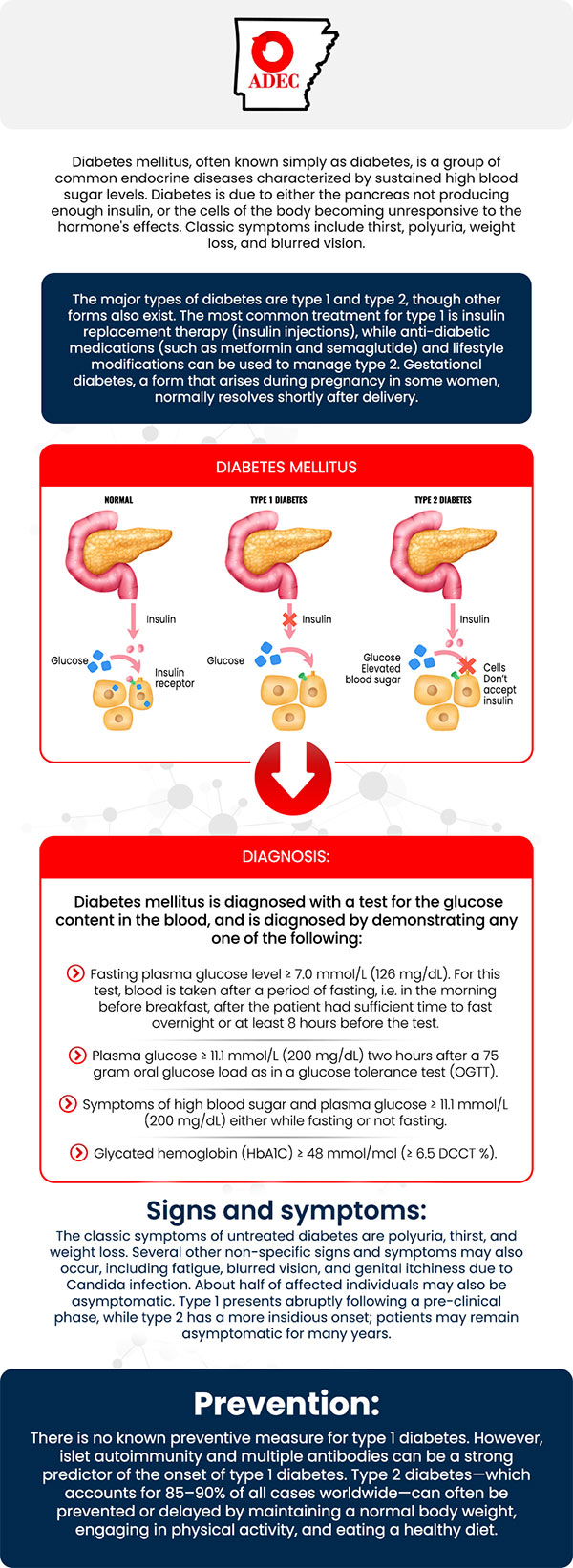
Table of Contents:
Does high blood sugar (hyperglycemia) cause headaches?
How do I know if my headache is from high blood sugar?
What should I do if my blood sugar is causing severe headaches?
Can dehydration from hyperglycemia make headaches worse?
How are hyperglycemia headaches treated at Arkansas Diabetes and Endocrinology Center?
Yes, high blood sugar (hyperglycemia) can contribute to headaches, particularly when elevated glucose levels cause dehydration. Excess glucose increases urination and fluid loss, potentially triggering headaches. High blood sugar may also cause blurred vision and difficulty focusing.
Other common symptoms include:
● Increased thirst and frequent urination.
● Fatigue and blurred vision.
● Unexplained weight loss.
● Slow-healing wounds or recurring infections.
Low blood sugar can also cause headaches, so checking glucose levels is important. At Arkansas Diabetes and Endocrinology Center, our team helps patients understand glucose fluctuations and manage diabetes-related symptoms.
What Should You Do if You Have a Headache and High Blood Sugar?
If you experience headaches with elevated blood sugar, follow these steps:
● Check your glucose levels using a glucose meter or continuous glucose monitor.
● Stay hydrated by drinking water unless fluids are restricted.
● Follow your prescribed treatment plan without taking extra medication unless instructed.
● Check ketones when recommended, particularly during illness or significantly elevated glucose levels.
● Avoid exercise if ketones are present.
If blood sugar remains elevated despite treatment, contact your diabetes care team for guidance.
When Is Emergency Care Needed?
Seek immediate medical attention if high blood sugar occurs with:
● Severe vomiting or abdominal pain.
● Rapid or deep breathing.
● Fruity-smelling breath.
● Confusion or extreme drowsiness.
● Inability to keep fluids down.
These symptoms may indicate diabetic ketoacidosis (DKA), a potentially life-threatening complication that can sometimes occur without extremely high glucose levels.
A sudden, severe headache accompanied by weakness, difficulty speaking, vision loss, or loss of consciousness also requires emergency evaluation.
Discuss Recurring Headaches With Your Diabetes Care Team
Frequent headaches may be associated with fluctuating blood sugar, dehydration, or other medical conditions. Tracking headache frequency, glucose readings, and accompanying symptoms can help identify possible triggers.
At Arkansas Diabetes and Endocrinology Center, our team provides personalized diabetes evaluations, glucose monitoring guidance, and ongoing care to help patients manage blood sugar levels and related symptoms effectively.
Headaches caused by high blood sugar (hyperglycemia) may occur alongside other symptoms of elevated glucose. Checking your blood sugar during a headache can help identify a possible connection. At Arkansas Diabetes and Endocrinology Center, our team helps patients understand glucose patterns and related symptoms.
Look for other symptoms of high blood sugar
High blood sugar may contribute to headaches through dehydration. Common accompanying symptoms include:
● Increased thirst or dry mouth.
● Frequent urination.
● Fatigue or weakness.
● Blurred vision.
However, headaches alone cannot confirm high blood sugar.
Check your glucose against your personal targets
For many nonpregnant adults with diabetes, typical blood sugar targets include:
● Before meals: 80–130 mg/dL.
● 1–2 hours after meals: Below 180 mg/dL.
Individual targets may vary depending on medical history and treatment needs. Repeatedly elevated readings should be discussed with your healthcare provider.
What should you do during a headache?
If your glucose is elevated, drink water unless fluids are restricted and follow your prescribed diabetes management plan. Avoid adjusting insulin or other medications without appropriate instructions.
Track headache frequency, glucose readings, meals, medications, and accompanying symptoms. This information can help your healthcare team identify possible triggers.
Could your blood sugar be too low instead?
Yes, low blood sugar (hypoglycemia) can also cause headaches, often accompanied by sweating, shakiness, hunger, or a rapid heartbeat.
If glucose falls below 70 mg/dL and you can swallow safely:
● Consume 15 grams of fast-acting carbohydrates.
● Recheck glucose after 15 minutes.
● Repeat if glucose remains below 70 mg/dL.
When should you seek urgent help?
If glucose reaches 250 mg/dL or higher, check ketones when appropriate and follow your diabetes sick-day plan. Seek urgent medical advice for moderate or high ketones or persistent glucose readings of 300 mg/dL or higher.
Seek emergency care for vomiting, abdominal pain, rapid breathing, confusion, fruity-smelling breath, or severe drowsiness, as these may indicate diabetic ketoacidosis (DKA).
A sudden, extremely severe headache or one accompanied by weakness, difficulty speaking, new vision loss, or fever with a stiff neck also requires emergency evaluation, regardless of glucose levels.
For people living with diabetes, a headache may be related to low or high blood sugar—but a severe headache should never automatically be blamed on glucose levels. Arkansas Diabetes and Endocrinology Center encourages patients to recognize emergency warning signs, check blood sugar when appropriate, and seek timely medical care.
When to get emergency help
Call 911 immediately if your headache:
● Starts suddenly and is extremely painful.
● It is the worst headache you have ever had.
● Occurs with weakness, numbness, trouble speaking, confusion, fainting, or vision loss.
● Occurs with fever and a stiff neck or follows a recent head injury.
Do not delay emergency care to check your blood sugar, and do not drive yourself.
Check your blood sugar if you can
If you have no emergency warning signs, check your glucose promptly. If your continuous glucose monitor (CGM) reading does not match your symptoms, confirm it with a finger-stick test if available.
If your blood sugar is low
If your glucose is below 70 mg/dL (3.9 mmol/L) and you are awake and able to swallow:
● Take 15 grams of fast-acting carbohydrate, such as 4 ounces of juice or regular soda, or glucose tablets according to the label.
● Wait 15 minutes, then recheck.
● Repeat if your glucose is still below 70 mg/dL.
● Once your glucose improves, eat a snack containing carbohydrate and protein if your next meal is more than an hour away.
If you cannot swallow safely, have a seizure, become very confused, or lose consciousness, someone should administer prescribed glucagon if available and call 911. Do not give food or drinks by mouth.
If your blood sugar is high
Drink water unless you have a fluid restriction, and follow your prescribed correction-insulin or sick-day plan. Do not take extra insulin or other diabetes medication outside that plan.
If your glucose is 240 mg/dL (13.3 mmol/L) or higher, check ketones if possible—especially if you have type 1 diabetes or feel ill. Avoid exercise if ketones are present.
Seek emergency care for high glucose accompanied by vomiting, abdominal pain, deep or rapid breathing, fruity-smelling breath, marked drowsiness, or confusion. These can be signs of diabetic ketoacidosis (DKA). DKA can sometimes occur at lower glucose levels, particularly in people taking SGLT2 medications.
Yes. Dehydration caused by hyperglycemia, or high blood sugar, can trigger or worsen headaches. For people managing diabetes, understanding this connection can help you recognize symptoms and know when to contact your diabetes care team.
At Arkansas Diabetes and Endocrinology Center, discuss recurring headaches, frequent high glucose readings, or signs of dehydration with your care team so they can help you review your diabetes management plan.
How does high blood sugar cause dehydration?
When blood sugar becomes high enough, the kidneys remove excess glucose through urine. This draws water out of the body, leading to increased urination and fluid loss. Dehydration can cause headaches and may trigger migraines in people prone to them.
Other symptoms may include:
● Increased thirst or dry mouth
● Fatigue
● Dizziness
● Blurry vision
A headache alone does not confirm high blood sugar or dehydration. Low blood sugar, stress, illness, and other conditions can cause similar symptoms.
What should you do?
If you have diabetes, check your blood sugar and follow your prescribed plan for managing high readings. Sip water or other sugar-free fluids unless a clinician has told you to limit fluids because of heart disease, kidney disease, or another condition.
Water helps replace lost fluid, but it does not replace insulin or other prescribed diabetes treatment. Do not take extra medication beyond your treatment plan without medical guidance.
If your glucose is 250 mg/dL (13.9 mmol/L) or higher, check ketones if your diabetes care plan recommends it, especially if you have type 1 diabetes or feel unwell.
Contact your care team at Arkansas Diabetes and Endocrinology Center if:
● Your blood sugar stays high despite following your treatment plan.
● Headaches continue after you rehydrate and your blood sugar improves.
● You frequently experience thirst, increased urination, or headaches.
● You need guidance on your high-blood-sugar or sick-day plan.
When should you seek emergency care?
Seek emergency care immediately if high blood sugar occurs with vomiting, abdominal pain, rapid or deep breathing, fruity-smelling breath, confusion, severe drowsiness, or an inability to keep fluids down. These symptoms can signal diabetic ketoacidosis or another serious hyperglycemic emergency.
Ketoacidosis can sometimes occur without very high glucose, particularly in people taking SGLT2 medicines. Do not wait for a routine appointment if you have these warning signs.
A sudden, extremely severe headache—or a headache with weakness, trouble speaking, new vision loss, fever, or a stiff neck—also requires emergency evaluation, regardless of your blood sugar.
At Arkansas Diabetes and Endocrinology Center, Dr. James Thrasher, MD, FACE, and our team focus on identifying elevated blood sugar levels that may contribute to recurring headaches. A personalized evaluation may include reviewing glucose readings, symptoms, medical history, and diabetes management routines to determine whether hyperglycemia is contributing to the discomfort.
Treatment focuses on improving blood sugar control and addressing contributing factors, such as dehydration. Depending on the patient’s needs, care may involve:
● Blood glucose monitoring to identify patterns of elevated blood sugar.
● Individualized diabetes treatment adjustments when medically appropriate.
● Hydration guidance to help address dehydration associated with hyperglycemia.
● Lifestyle and nutrition counseling to support stable glucose levels.
● Ongoing follow-up care to monitor progress and address recurring symptoms.
Dr. Thrasher and our team emphasize long-term diabetes management to help reduce glucose fluctuations and associated symptoms. Because headaches can have multiple causes, persistent symptoms may require additional evaluation.
For headaches that may be related to hyperglycemia, the goal is to address elevated glucose rather than treating every headache as diabetes-related. Patients with persistent headaches may need further evaluation to identify other possible causes. Severe headaches accompanied by confusion, vomiting, or rapid breathing require emergency medical attention.
For more information, contact us or request an appointment online. We are conveniently located at 11400 Huron Lane, Little Rock, AR 72211. In our Little Rock office we serve patients from across the state, including areas such as Little Rock AR, Conway AR, North Little Rock AR, Pine Bluff AR, Hot Springs AR, Benton AR, Sherwood AR, Russellville AR, Jacksonville AR, Cabot AR, Searcy AR, Bryant AR, Jonesboro AR, Forrest City AR, Magnolia AR, Camden AR, Malvern AR, Batesville AR, Arkadelphia AR, Clarksville AR, Monticello AR, Heber Springs AR, Morrilton AR, Stuttgart AR, Greenbrier AR, Sheridan AR, and Vilonia AR. If the commute to Little Rock is too far or difficult we can establish a visit remotely by using telemedicine.
Check Out Our 5 Star Reviews







 Send Text