
How to Recognize High Sugar Levels in the Body?
High sugar levels in the body, also known as hyperglycemia, can be recognized through symptoms such as frequent urination, excessive thirst, blurred vision, and fatigue. If left untreated, it may lead to more severe complications, including diabetic ketoacidosis. Our team at Arkansas Diabetes & Endocrinology Center is dedicated to helping individuals manage their blood sugar levels effectively, providing personalized care to prevent long-term health issues associated with high sugar levels. For more information, contact us for an appointment online. Call us today so we can help improve your quality of life. We are conveniently located at 11400 Huron Lane, Little Rock, AR 72211.
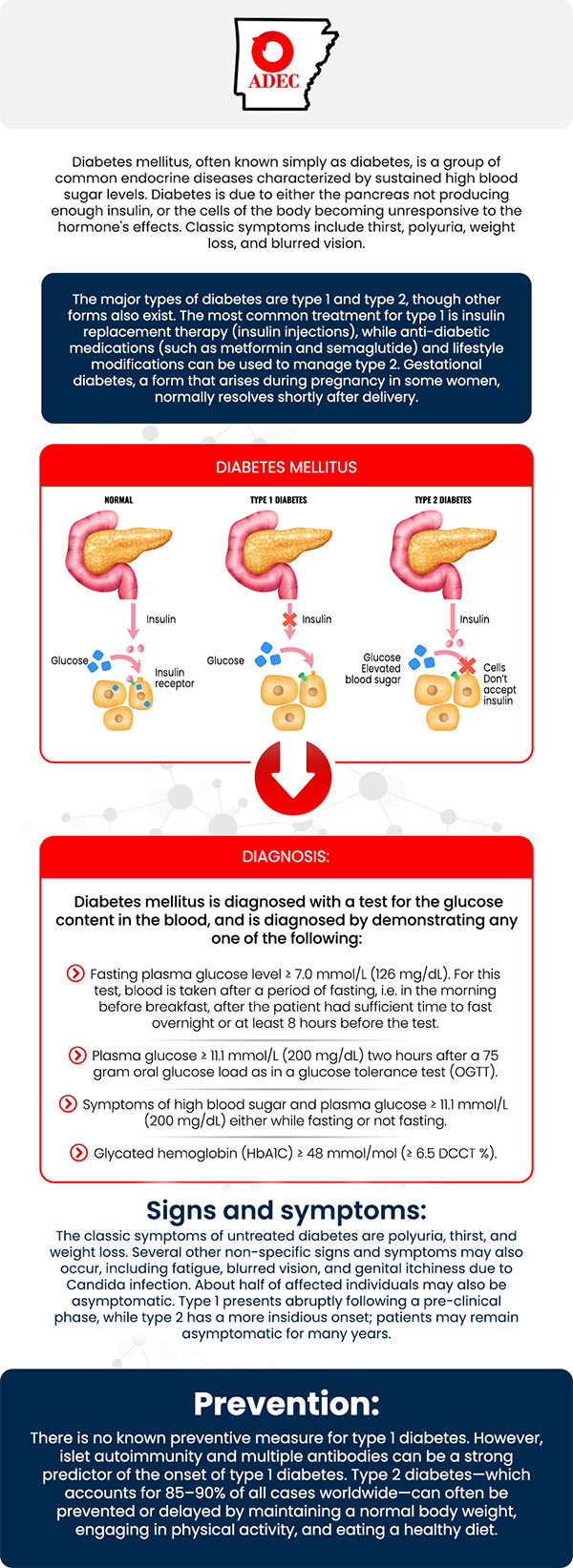
Table of Contents:
What are the first signs of high sugar levels in the body?
Why do you feel thirsty when you have high sugar levels?
Is frequent urination a sign of high blood sugar?
Should I see a doctor at Arkansas Diabetes & Endocrinology Center if I recognize high sugar levels in the body?
High blood sugar levels, also known as hyperglycemia, can present with a variety of symptoms. One of the first signs that many people notice is increased thirst, which occurs due to dehydration. Another common early symptom is frequent urination, as the body tries to eliminate excess sugar through urine. Fatigue is another sign, as the body struggles to use glucose properly, leading to a lack of energy. People may also experience blurred vision, as high blood sugar can affect the lens of the eyes, making it difficult to focus.
Other early signs include unexplained weight loss, dry mouth, and slow-healing sores or cuts. These symptoms are usually subtle at first but can worsen over time if left untreated. If you experience these signs, it’s important to monitor your blood sugar levels closely.
At Arkansas Diabetes & Endocrinology Center, we recommend checking your blood sugar regularly, especially if you experience any of these symptoms. Early detection and management of high blood sugar can help prevent complications, including nerve damage, kidney issues, and cardiovascular problems. If you are noticing any of these signs or if you’re at risk of diabetes, it’s essential to get in touch with a healthcare provider to assess your condition and receive guidance on the best course of action to maintain a healthy blood sugar level.
When blood sugar levels are high, the kidneys work harder to filter and remove the excess glucose through urine. This process causes the body to lose more fluids, leading to dehydration. To compensate for this fluid loss, the body triggers the sensation of thirst, signaling the need to drink more water to rehydrate.
When you have high blood sugar, the body is essentially trying to flush out the excess glucose, and this process draws water out of the cells. The result is that you feel excessively thirsty and may be unable to quench your thirst, even after drinking large amounts of water. This is because the dehydration caused by high blood sugar can be more severe than typical thirst caused by regular dehydration.
At Arkansas Diabetes & Endocrinology Center, we emphasize the importance of maintaining proper hydration to prevent complications from high blood sugar. While increased thirst is a common symptom of high sugar levels, it is crucial to understand the underlying cause and manage it properly. If you experience persistent thirst along with other symptoms of high blood sugar, it is important to consult with a healthcare provider to determine the best treatment plan for your condition.
Yes, frequent urination is a common symptom of high blood sugar levels. When your blood sugar levels are elevated, the kidneys are forced to filter out the excess glucose. This leads to an increase in urine production, which results in frequent urination. The body expels the excess glucose through the urine, which also pulls water along with it, leading to dehydration.
As the kidneys work harder to remove the excess glucose from the bloodstream, the body tries to conserve water, but the volume of urine continues to increase. This is why frequent urination can occur along with other symptoms such as excessive thirst and dry mouth.
Frequent urination caused by high blood sugar is often more noticeable during the night, leading to disrupted sleep. Over time, persistent high blood sugar can cause the kidneys to become overworked, which can lead to kidney damage if not managed properly.
At Arkansas Diabetes & Endocrinology Center, frequent urination is one of the key symptoms we look for when diagnosing high blood sugar or diabetes. If you are experiencing this symptom along with others like increased thirst, fatigue, or blurred vision, it is important to consult with a healthcare provider to assess your blood sugar levels and receive appropriate treatment to prevent long-term complications.
Yes, if you recognize high sugar levels in your body, it’s important to see a doctor at Arkansas Diabetes & Endocrinology Center. Early detection and management of high blood sugar are crucial in preventing complications associated with diabetes and other related conditions. If you experience symptoms like increased thirst, frequent urination, fatigue, blurred vision, or unexplained weight loss, it’s essential to get your blood sugar levels checked.
A doctor at Arkansas Diabetes & Endocrinology Center can help diagnose whether you have high blood sugar or diabetes and develop a personalized treatment plan. This may include lifestyle modifications, dietary changes, and medication to help regulate your blood sugar levels. In some cases, your doctor may recommend monitoring your blood sugar regularly to ensure it stays within a healthy range.
Consulting with a doctor is particularly important if you have a family history of diabetes or are at higher risk for developing the condition. With proper treatment and monitoring, high blood sugar can be controlled effectively, reducing the risk of complications such as heart disease, kidney damage, and nerve issues. Our team at Arkansas Diabetes & Endocrinology Center are dedicated to providing comprehensive care and helping patients manage their blood sugar levels for better long-term health. For more information, contact us for an appointment online. Call us today so we can help improve your quality of life. We are conveniently located at 11400 Huron Lane, Little Rock, AR 72211. In our Little Rock office we serve patients from across the state including areas such as Little Rock AR, Conway AR, North Little Rock AR, Pine Bluff AR, Hot Springs AR, Benton AR, Sherwood AR, Russellville AR, Jacksonville AR, Cabot AR, Searcy AR, Bryant AR, Jonesboro AR, Forrest City AR, Magnolia AR, Camden AR, Malvern AR, Batesville AR, Arkadelphia AR, Clarksville AR, Monticello AR, Heber Springs AR, Morrilton AR, Stuttgart AR, Greenbrier AR, Sheridan AR, and Vilonia AR. If the commute to Little Rock is too far or difficult, we can establish a visit remotely by using telemedicine.
Check Out Our 5 Star Reviews





 Send Text